

There is a persistent belief among people who capture live streams that pressing record turns a broadcast into their property. The reasoning goes something like this: it happened in public, my software wrote the file, therefore the file is mine to keep, clip, and repost. Every part of that chain feels intuitive, and almost none of it holds up when you look at how the law and the platforms actually treat the situation.
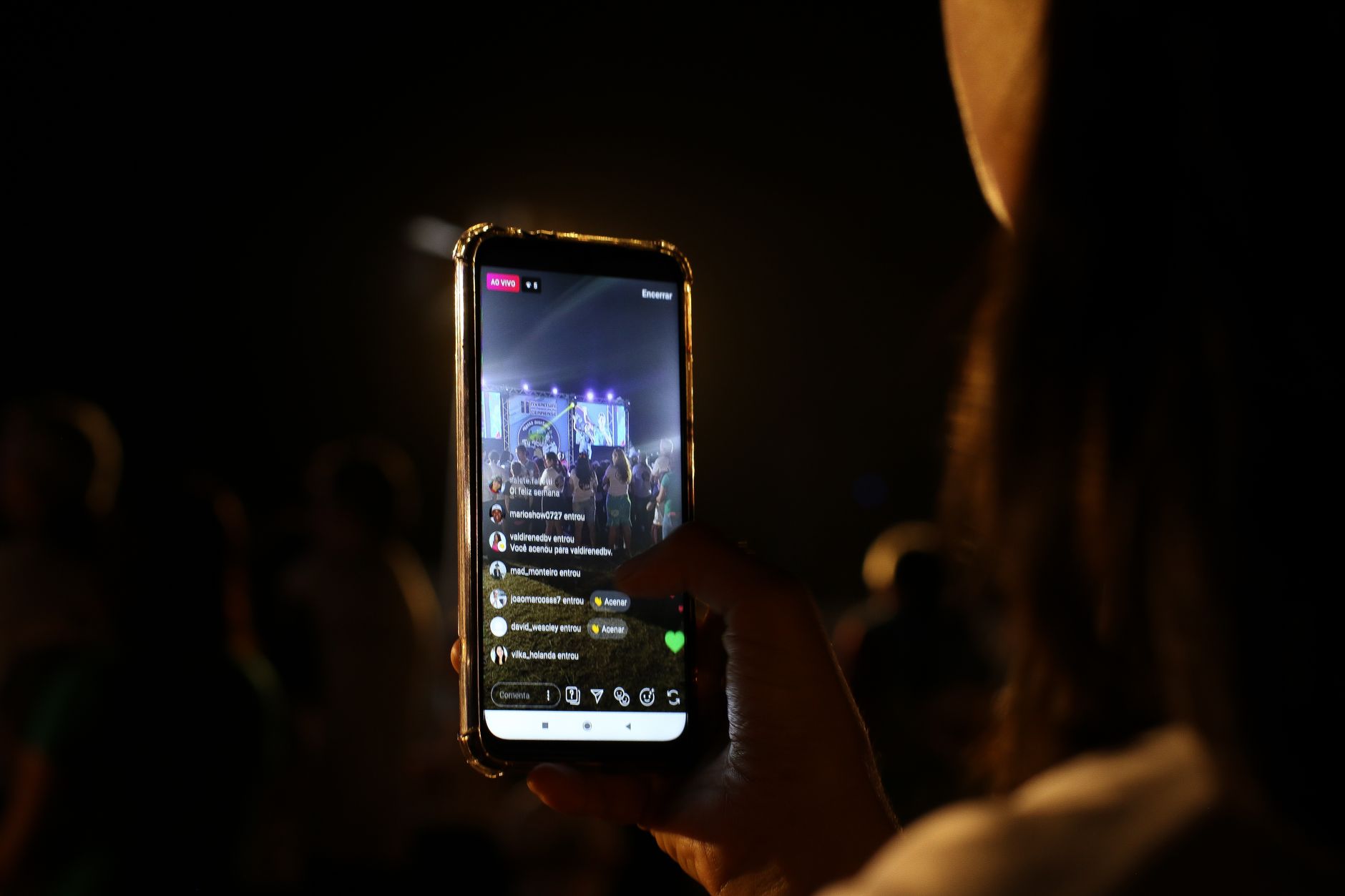
I have spent enough time around creators and the disputes they get into to notice a pattern. The trouble almost never comes from the recording itself. It comes from the assumptions people make about what that recording entitles them to do afterward. So it is worth walking through the gray zones one by one, because they are murkier and more consequential than most people bother to check.
The myth that a public stream is fair game
“Public” is doing a lot of unearned work in the phrase “public stream.” A broadcast being freely viewable does not put it in the public domain, and it does not waive anyone’s rights. A store leaves its doors open to the public too; that does not mean you can walk out with the inventory. Visibility is an invitation to watch, not a transfer of ownership. The stream is still authored by someone, hosted under someone’s terms, and often populated by people who never agreed to be archived by a stranger.
What copyright law really says about captured broadcasts
The moment a creator produces original content in a fixed form, copyright attaches automatically. A live stream counts. When you record it, you are making a copy of a work you did not author, and copying is precisely the right the copyright holder controls. You may own the physical file sitting on your drive, but ownership of the medium is not ownership of the content on it. That distinction is where a lot of confident creators quietly cross a line without realizing there was a line.
Platform terms of service versus your local statutes
Two separate rulebooks apply at once, and they do not always agree. The platform’s terms of service govern your relationship with the service and often restrict downloading or re-uploading regardless of what copyright law would permit. Meanwhile, your local statutes govern things like recording consent and privacy. You can be in the clear under one and in violation of the other. People tend to read whichever set feels most permissive and assume it settles the matter. It does not.
The consent question people conveniently skip
A stream frequently includes more than the host. Guests, callers, background voices, faces in a crowd shot. Depending on the jurisdiction, some of those people have expectations about being recorded that the host cannot waive on their behalf. This is the part of the analysis creators skip most reliably, because it complicates a plan they have already decided to carry out.
Why fair use is narrower than creators assume
Fair use is not a magic phrase you attach to a repost to make it lawful. It is a fact-specific defense weighed across several factors, and casual archiving fails most of them. Copying an entire stream, adding nothing transformative, and potentially competing with the original does not resemble the commentary or criticism the doctrine was built to protect. Calling something fair use does not make it so, and the label offers no shield if a dispute ever gets serious.
When archiving crosses into redistribution
Keeping a copy for yourself sits in a genuinely different category from publishing that copy. The instant you post the file, upload the clip, or share the link, you have moved from personal archiving into redistribution, and that is where most takedowns and complaints originate. If your goal is recording live streams for later so you can revisit a moment that mattered to you, keeping it private stays well within reasonable bounds; broadcasting it again does not.
Practical habits for recording live streams for later without inviting a takedown
Get permission when you can, and take a yes in writing rather than an implied one. Keep private captures private. Credit the source when you do share anything you were cleared to share. Trim to the minimum you actually need instead of reposting wholesale. And when in doubt, ask before you publish rather than apologize after a complaint lands.
Reading the room before you press the button
Beyond the legal mechanics, there is a plain question of judgment. Some moments are shared generously and some are shared in a context the person expected to stay small. Recording a heated exchange, a grieving tribute, or an offhand remark and giving it a permanent home changes what that moment was. The law sets a floor, not a ceiling. Whether you should keep and spread a recording is often a decision the statutes never reach, and it is yours to make honestly.